Mahé of Malabar

The book

The Coringattenaïrs of Malabar

A narrative history, for the general reader, of one Nair house on the Malabar coast and the two European companies that grew up on its ground.

Iruvelinad, 1702 to 1806

What it is

The Kurangoth Nayars held a strip of hills and pepper gardens on the north bank of the Mahé river, running up the coast toward the English fort at Tellicherry. It was the one lordship on that shore that both forts touched. The French comptoir at Mahé stood on its southern edge, across the water.

The book follows the office of the Kurangoth Nayar through five men, from the grant of Punnol in May 1702 to the pension of 1806, passed through the mother's line from uncle to sister's son. It was held between two European forts, then between three armies, and ended by a pension roll.

Two trading companies, two Indian empires and a suzerain dealt with the Kurangoth Nayar for a century, and they almost never wrote down the name of the man who held the office on the day they dealt with him. The women, who were the lineage all along, are named only when the house is pensioned off. That silence is the book's theme.
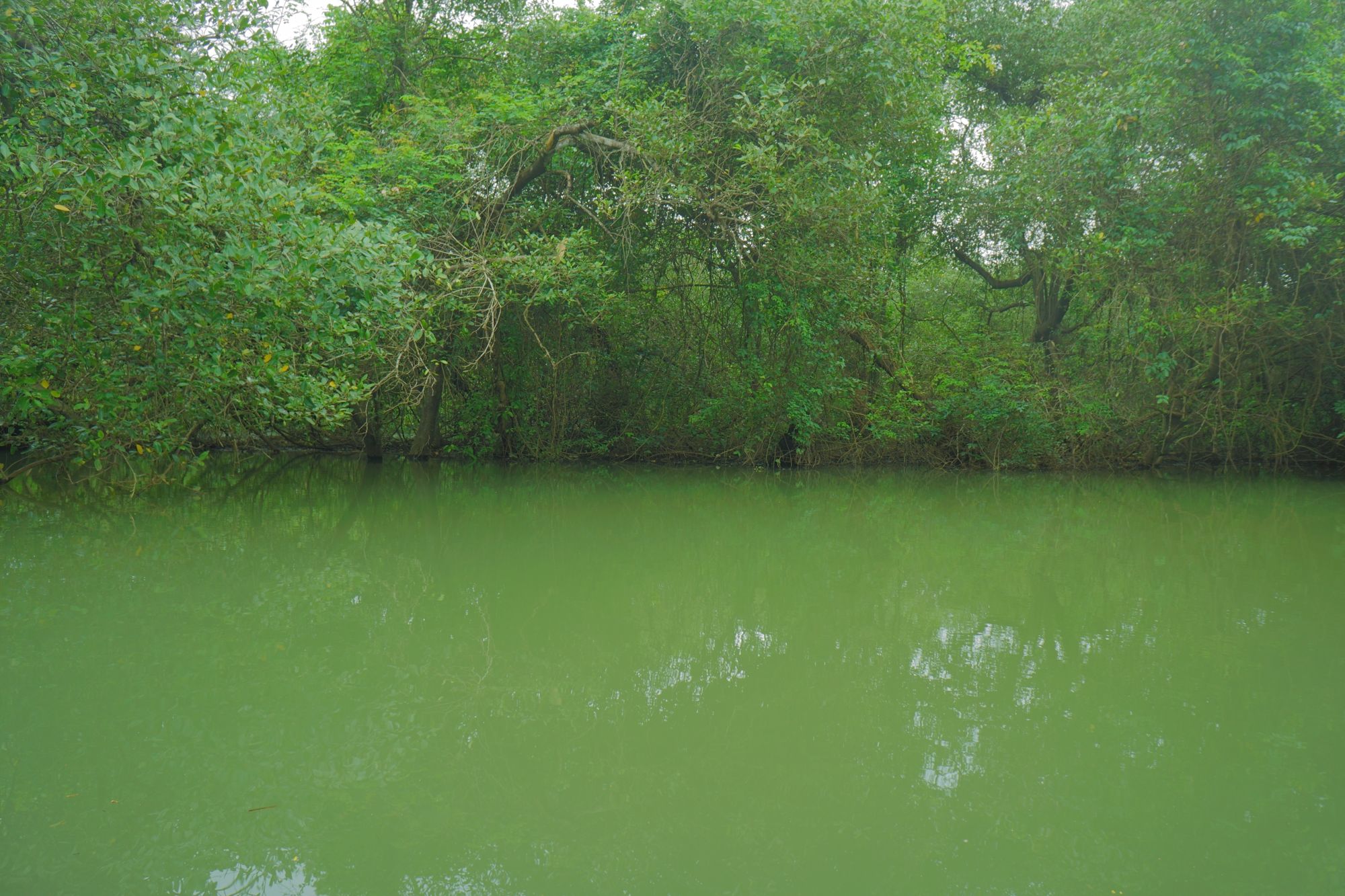
Still green water under a dense bank of trees and creepers
The discipline

How it is written

The book is built from the companies' own papers, and it keeps to them. There are no invented scenes, no invented dialogue and no imagined thoughts. When the reader needs to know what a man felt, the book quotes his letter.

The author's knowledge of the ground is a source in its own right: the distances between Courchy and Punnol, the roads, the river crossings, the boats of the coast, and the modern names of the hills and villages the French and English clerks spelled their own way.

Contents

The shape of the book

1702 – 1738

Part One

The grant of Punnol, the quarrel over the dues the English withheld, and a boy who inherited a war.

1739 – 1787

Part Two

Letters, rice, homage at Hyder's camp, and the French protection that came to a guard at one door.

1787 – 1806

Part Three

A house in exile, the wars over Malabar, and what the house was given in place of its country.

A prologue opens the book in September 1787. An epilogue follows the name of the house to the present day.

Status

Where the book stands

The manuscript is complete. Publishers, agents and editors who would like to read it can write to the author at [email protected]. The press kit has a synopsis and the key facts.